Complete Property Evaluation: Enhance Your Estate's Market Value
A thorough estate appraisal functions as an essential component in ascertaining a property's value, especially following the passing of a dear family member. It secures an fair allocation of holdings among inheritors and assists in fulfilling financial obligations. Understanding the various factors shaping valuation is vital. Additionally, appointing the right appraiser can greatly impact the final result. With countless considerations in play, how can real estate holders effectively get ready for this procedure?
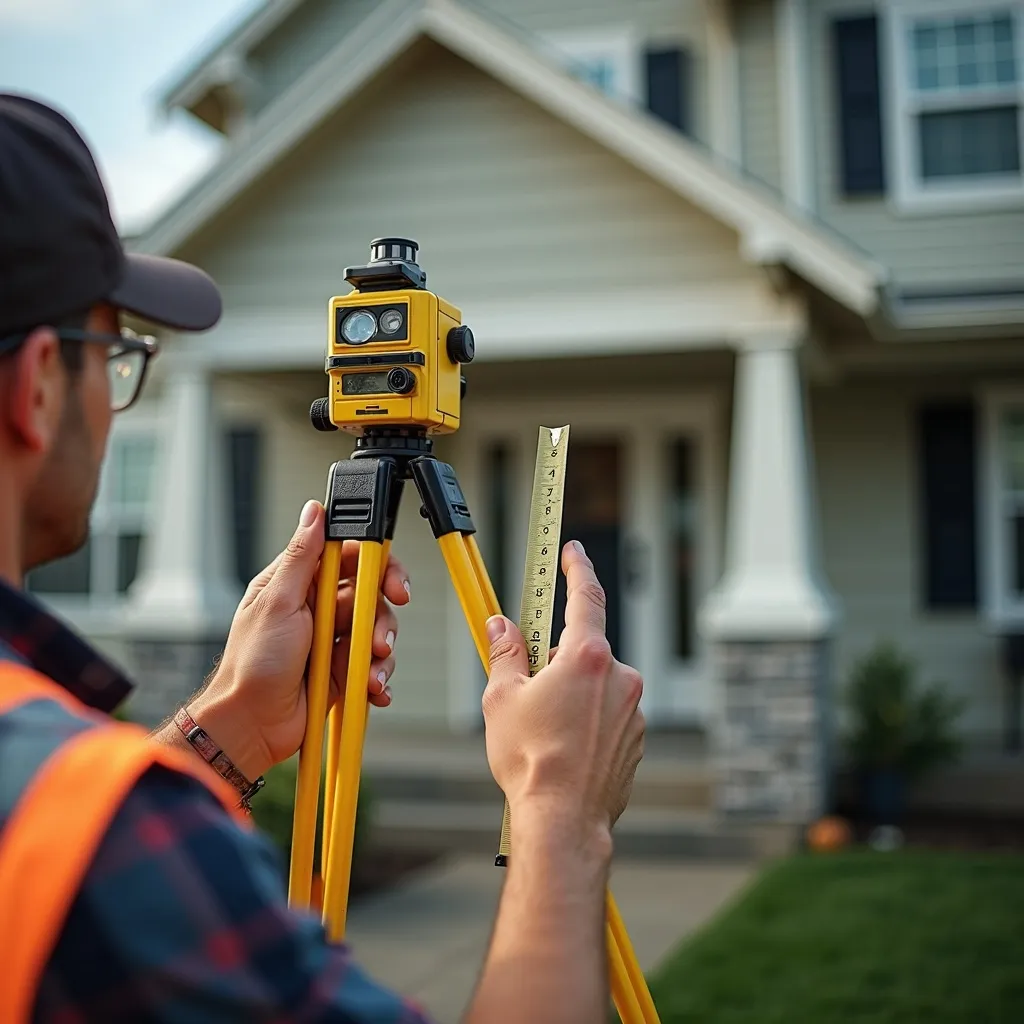
Grasping the Objective of an Estate Appraisal
An estate appraisal serves as an essential tool in ascertaining the worth of a deceased person's assets. This process is important for numerous reasons, primarily to facilitate the just allocation of holdings among beneficiaries and recipients. It delivers a clear appraisal that can aid in settling debts and tax matters, ensuring that the estate meets legal requirements. Additionally, an accurate appraisal aids in curtailing disagreements among relatives, thereby promoting a smoother change during what is often a tough time.
Additionally, an estate appraisal can aid in identifying and documenting the holdings for future generations. It creates a reference value that can be relied upon for prospective transactions or tax-related purposes. In essence, comprehending the purpose of an estate appraisal demonstrates its function in promoting clarity and impartiality in the handling of a deceased person's estate, contributing to responsible estate planning and execution.
Key Components Determining Property Appraisal
Several important elements considerably influence property valuation during an estate appraisal. Location and accessibility often determine a property's desirability, while the condition of the property itself can influence its overall worth. Additionally, market trends analysis provides insight into current economic conditions that affect property values.
Location and Access
Location and ease of access play pivotal roles in determining property market value, influencing buyer engagement and market trends. Properties placed in sought-after neighborhoods, near amenities such as schools, shopping centers, and public transportation, generally command higher prices. Furthermore, accessibility to major roadways and employment hubs enhances a property’s desirability, making it more attractive to potential buyers. Areas with low crime rates and good school districts commonly see increased demand, further elevating property values. Conversely, properties in remote locations or those with limited access to essential services may face decreased valuation. Understanding these factors allows sellers to strategically position their properties, enhancing marketability and securing optimal returns on investment.
Property Status Review
Beyond ease of access, the condition of a property significantly affects its valuation. Essential elements comprise structural soundness, age, and maintenance history. A well-maintained property typically commands a higher price, as buyers are often willing to pay a premium for move-in readiness. In contrast, properties needing major restoration work or upgrades may deter potential buyers, resulting in lower offers. Moreover, improvements in essential infrastructure—such as plumbing, electrical, and roofing—can enhance value, matching information while neglecting these areas can result in value decline. A thorough property condition evaluation not only pinpoints these factors but also delivers a transparent picture for potential buyers, ultimately influencing the property's salability and ultimate selling price. Evaluating condition is, therefore, a vital component of precise property valuation.
Market Movements Review
Market trends serve as a critical factor in establishing property valuation, affecting buyer behavior and pricing strategies. Factors such as local economic conditions, employment rates, and demographic shifts significantly influence market demand. Additionally, interest rates and financing availability dictate how buyers approach property purchases. Seasonal trends often affect buyer activity, with certain periods experiencing higher sales volumes. Furthermore, neighborhood developments, such as new amenities or infrastructure projects, can enhance property desirability. Understanding these dynamics allows appraisers and property owners to adjust their strategies accordingly. By closely tracking these trends, stakeholders can take knowledge-based steps, ensuring that property valuations reflect current market realities and increasing potential returns. Ultimately, a comprehensive market trends analysis is vital for effective estate appraisal.
Guide to Picking a Qualified Appraiser
Selecting a competent evaluator demands careful consideration of multiple important criteria. Credentials and experience are critically important, as does the appraiser's knowledge of the local market. Additionally, comprehending the valuation methods employed can significantly impact the accuracy and reliability of the real estate assessment.
Certifications and Expertise
When finding a qualified appraiser, it is vital to evaluate their qualifications and experience, as these factors substantially influence the precision and dependability of the appraisal. A licensed appraiser typically holds an appropriate designation from an established professional organization, such as the Appraisal Institute or the American Society of Appraisers. Additionally, substantial experience in the field, particularly with the type of property being appraised, is important. Prospective clients should question about the appraiser's track record, including the number of appraisals completed and any specializations. It's also helpful to review continuing education, which shows a commitment to keeping current with industry standards and practices. Collectively, these elements ensure a well-rounded professional capable of delivering exact appraisals.
Local Market Insight
Understanding specific market circumstances is essential for appointing a qualified appraiser, as their familiarity with the area can dramatically shape the appraisal's correctness. An appraiser with broad familiarity of the area property market structure will be more suited to value property values based on recent sales, local movements, and business conditions. It is wise to seek out appraisers who have worked in the specific locality for a number of years, as they will acquire insights into unique factors influencing property worth. Additionally, checking for regional endorsements or memberships in relevant associations can additionally substantiate an appraiser's expertise. Ultimately, designating someone proficient in regional market awareness can bring about a more precise and beneficial property valuation.
Valuation Methodology Employed
The valuation procedure carried out by a certified professional represents a vital component determining property appraisal. Appraisers commonly apply three core approaches: the comparative market analysis, the replacement cost method, and the revenue-based method. The comparative market analysis reviews comparable homes transacted recently in the region, whereas the cost approach figures the expense of reconstructing the property minus deterioration. The income approach is frequently applied for rental assets and calculates anticipated income streams. When selecting an appraiser, property owners must prioritize credentials, encompassing certifications and expertise. It is also critical to assess their knowledge with area market conditions and property types. A well-versed appraiser can deliver a thorough analysis, guaranteeing accurate and beneficial property valuation for estate purposes.
Prepare Your Home for an Appraisal
Preparing a property for appraisal is crucial for obtaining an accurate valuation. Homeowners should begin by ensuring that the property is clean and clutter-free, which allows appraisers to see its full potential. Simple cosmetic improvements, such as fresh paint or minor repairs, can greatly enhance appeal.
Moreover, it is wise to obtain pertinent documents, like previous appraisals, tax assessments, and property disclosures, as these provide valuable context for the appraiser. Landscaping should also be tackled; well-maintained gardens and lawns can create a positive first impression.
In conclusion, property owners should prepare to offer a list of unique features and upgrades, as these elements may influence the overall worth. By implementing these steps, homeowners can enable a smoother appraisal process and potentially increase their estate's value.
Frequent Real Estate Assessment Oversights to Dodge
Several usual oversights can hinder the estate valuation process and possibly result in flawed assessments. One regular mistake is omitting full and correct property details. Insufficient details can distort the appraiser's grasp, leading to miscalculations. Another mistake is neglecting to take into account recent market trends and comparable sales, which can substantially impact property prices. Ignoring necessary renovations or fixes also causes difficulty; appraisers should assess the property's existing status correctly.
Additionally, depending exclusively on online valuation tools can deceive owners, as these tools often lack local market nuances. Sentimental connection to the property may obscure judgment, resulting in inflated expectations concerning value. Finally, not engaging a certified appraiser can jeopardize the appraisal's accuracy. By avoiding these common pitfalls, property owners can ensure a more precise and beneficial estate appraisal.
Maximize Your Property Value With These Solutions
Improving property value requires a well-planned strategy that encompasses both aesthetic and functional improvements. First, enhancing curb appeal is critical; simple landscaping, fresh paint, and well-maintained walkways can create a lasting first impression. Inside, renovating kitchens and baths often yields the best results. Contemporary finishes and eco-friendly equipment can draw in prospective purchasers.
Moreover, staging and decluttering the home creates it more inviting and allow potential purchasers to imagine themselves residing in the space. Investing in minor repairs, such as repairing dripping fixtures or replacing worn flooring, can also significantly boost appeal.
Additionally, incorporating smart home technology offers a contemporary advantage that many purchasers are looking for. In conclusion, comprehending local market trends and strategically pricing can position the real estate positively. By implementing these strategies, property owners can enhance their asset's value and ensure a more positive appraisal result.
What Comes Next Following Your Property Appraisal?
With methods for improving property value in place, the subsequent actions after an appraisal are paramount. Property owners should first review the appraisal report thoroughly, guaranteeing they understand the valuation and any factors affecting it. If discrepancies or concerns arise, it is crucial to handle them promptly, perhaps through a conversation with the appraiser.
Next, property holders should consider their financial objectives. Whether intending to sell, obtain new financing, or keep the property, aligning strategies with the valuation results is critical. For those selling, using the appraised value can direct pricing strategies and marketing approaches successfully.
Furthermore, property owners might seek input from property experts for insights on current trends, ensuring they capitalize from their property's value. Ultimately, remaining current on ongoing property improvements and market conditions can help maintain or boost value in the long run, making the appraisal a foundational tool in extended property oversight and planning.
Regularly Asked Questions
How Frequently Should I Get My Estate Appraised?
Specialists recommend property assessments every three to five years, or following significant changes, such as upgrades or price variations. Consistent reviews guarantee property values properly represent current conditions, supporting informed decision-making for owners and potential buyers.
Is it feasible to contest an appraisal value that I object to?
Yes, an person can object to an property valuation they contest. This procedure typically entails presenting supporting evidence confirming their position, such as comparable properties or structural condition, to the relevant body or appraisal board for review.
Which Records Are Essential for an Appraisal?
An appraisal calls for essential documents which ordinarily include property deeds, previous appraisals, tax assessments, renovation records, and any relevant photographs. These materials support the appraiser in accurately assessing the property's current market value.
How long Does an Estate Appraisal Typically Take?
An estate inspection typically requires between one to three hours, contingent upon the complexity and dimensions of the property. However, final reports may require additional time for review and documentation before provision and finalization to the client.
Can an Appraisal Value Impact My Property Taxes?
An market valuation can significantly control property taxes. Local tax authorities often rely upon appraised values to figure tax assessments, meaning a higher appraisal may trigger increased property taxes, impacting the owner's financial responsibilities.